Absorberhype at EuMW 2026
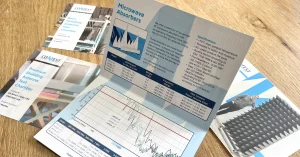
Exhibiting alongside our UK representatives, Melcom Electronics Limited, was a great success. ‘I almost ran out of my Microwave Absorber postcards!’ said Vincent van de Vrie, our on-site Technical Consultant.

Exhibiting alongside our UK representatives, Melcom Electronics Limited, was a great success. ‘I almost ran out of my Microwave Absorber postcards!’ said Vincent van de Vrie, our on-site Technical Consultant.
With the 29th European Microwave Week (EuMW 2026) coming up next week, we celebrate our first anniversary of working with the great team at Melcom Electronics Limited. At last year’s EuMW, they became our exclusive distribution channel for the UK and Ireland within our international reseller network.
In-house pretesting is a wise investment that saves time and money. In a series of five posts, our specialists share trends and developments for 2025. This week, Technical Consultant Uliana Trucchi will discuss the future of in-house pretesting for OEMs.
Uliana: “More and more products contain electronics that require testing. Many OEMs use test houses to pretest their products before the final certification. That creates a challenge because test houses are sometimes hard to book quickly, and the out-of-pocket costs pile up. I predict that more and more OEMs will consider in-house pretesting to secure their time-to-market and control costs. And honestly, you do not need to go to a test house for every step in the product development.”
Can certification be done in-house as well? Uliana: “OEMs can self-certify, but you have to be confident and well-prepared with a good correlation between the test executed in your pre-compliant chamber and the fully compliant one at the final certification body, and the investment in a pre-compliant chamber is doable. However, to be sure you correlate correctly, send your products to an external test house occasionally.”
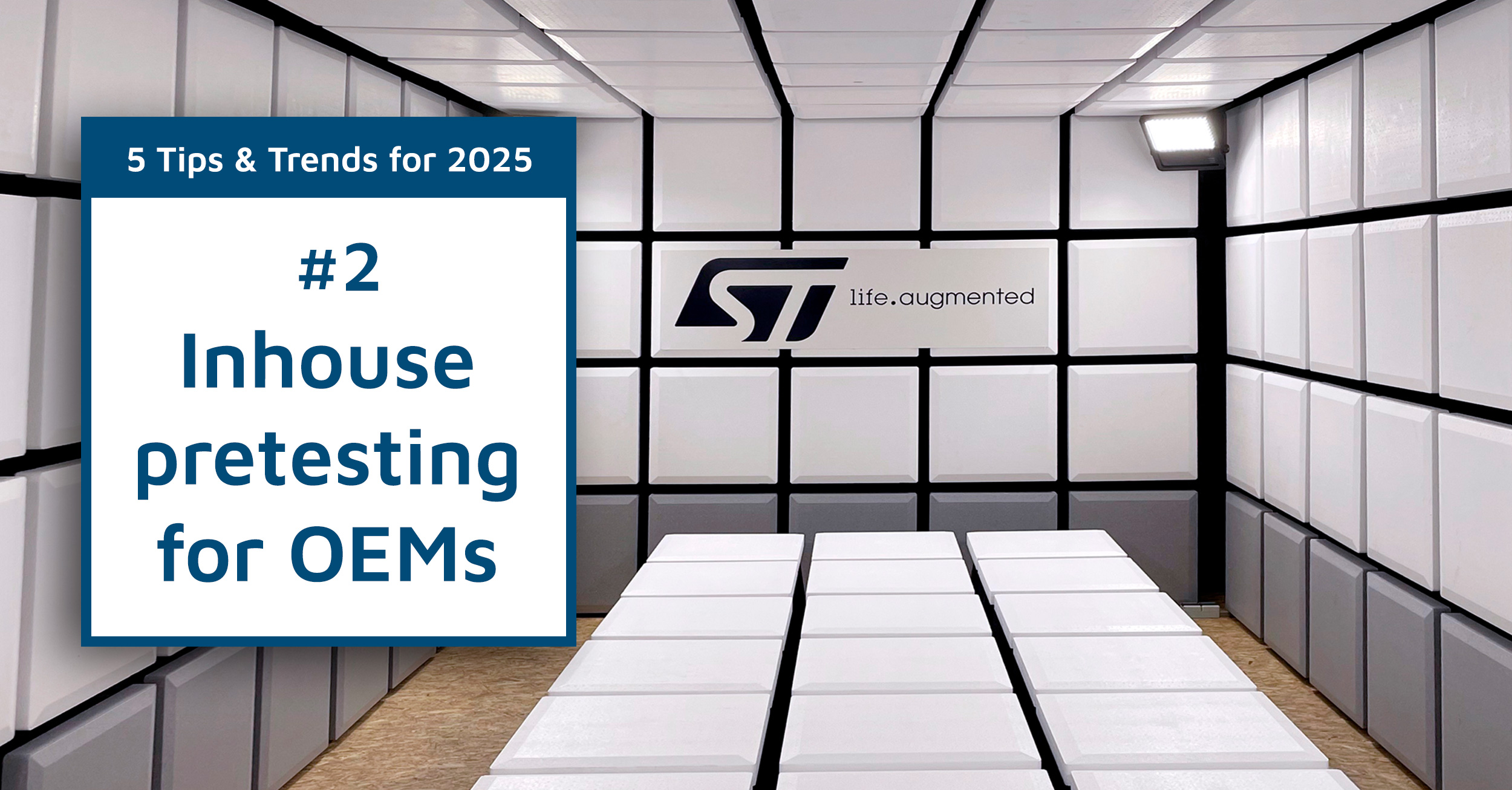
The photo shows an example of a pre-compliant chamber we built in Grenoble (F).
Are in-house pretesting and self-certification options for you? Contact Marc Le Roy, Uliana Trucchi, Vincent van de Vrie, or Hanneke Mertens – van Veen to find out.